
Basque Strategy with Older People 2026–2029
Imagen:
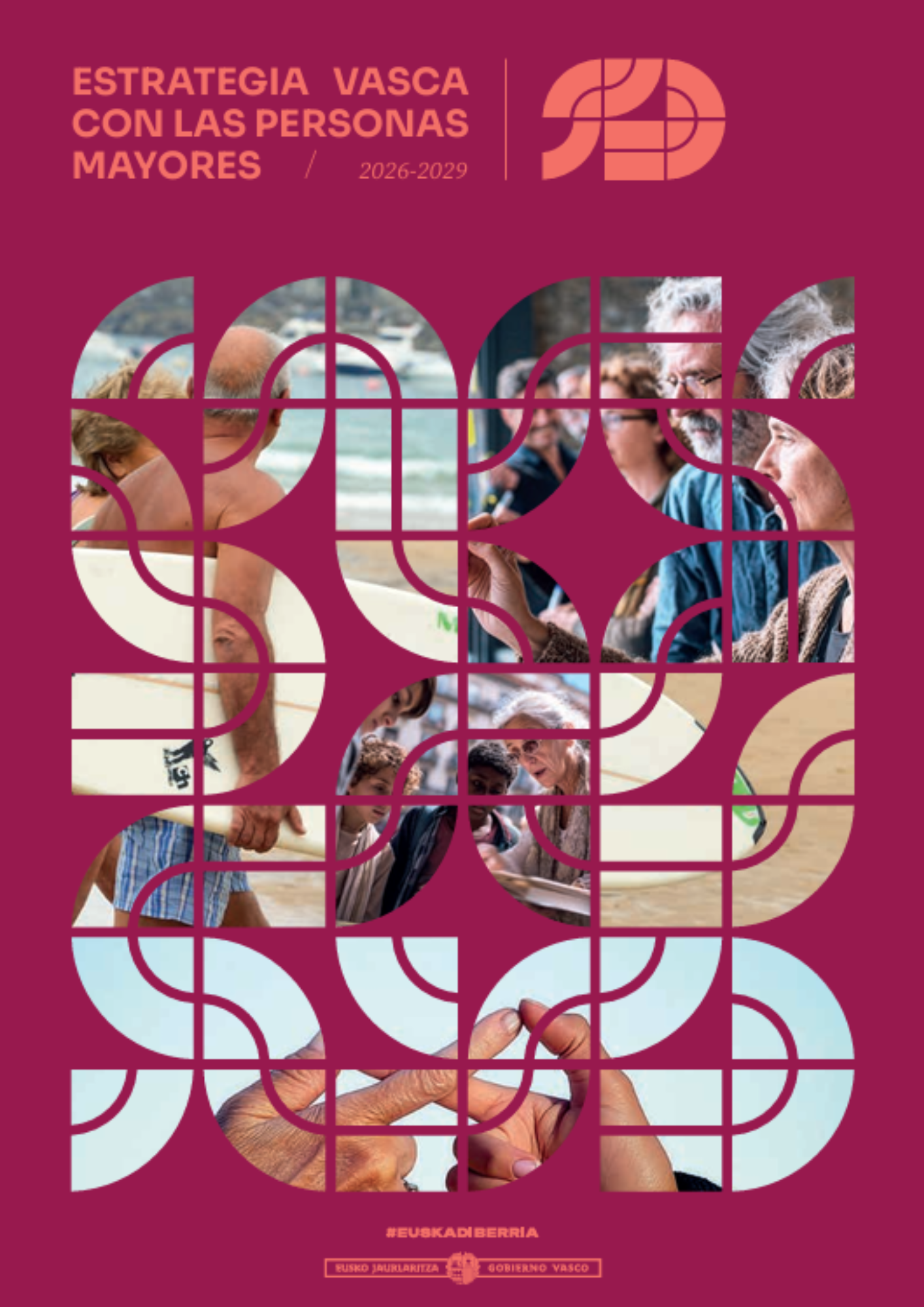
The Basque Strategy for Older People 2026–2029 is set against a backdrop of profound demographic, social and territorial change, characterised by the sustained ageing of the population, rising life expectancy and the growing diversity of life trajectories in later life. In the Basque Country, where over 25% of the population is aged 65 or over, longevity is becoming a structural reality that presents both challenges and opportunities in key areas such as care, community life, social participation, territorial equity and intergenerational cohesion. The Strategy builds on previous planning, incorporating lessons learnt and responding to the new challenges associated with an increasingly long-lived society. Translated with DeepL.com (free version)
The study was carried out using a participatory and collaborative methodology, in line with the Guidelines for Mainstreaming Ageing issued by the United Nations Economic Commission for Europe (UNECE). The process combined an analysis of demographic and social trends, a review of international, European and Basque policies on ageing, and an extensive consultation process with key stakeholders. Older people, public administrations, third sector organisations, experts and technical teams have participated through working groups, questionnaires, in-depth interviews and deliberative forums, ensuring a diverse perspective and a shared assessment.
The main objective of the Strategy is to promote the holistic well-being of all older people, incorporating a gender perspective and paying particular attention to those who require care, by promoting innovative initiatives that foster the development of life plans, a fulfilling life, intergenerational solidarity and the building of inclusive communities. The Strategy is underpinned by two cross-cutting approaches: a full life, understood as a multidimensional process combining well-being, autonomy, meaningful relationships and a sense of purpose; and intergenerational solidarity, as the foundation for a more cohesive, fair and sustainable society.
The Strategy is structured around five key areas of action that will guide public policy for the period 2026–2029:
- Life transitions and life planning for a fulfilling life, supporting life changes and promoting participation and a sense of purpose.
- Quality and sustainability of care, moving towards a community-based, person-centred and co-responsible model.
- Well-being through tackling loneliness, with a preventive, community-based and intergenerational approach.
- Strengthening community action and the third sector, recognising their key role in local engagement, social innovation and social cohesion.
- Generating knowledge through research and innovation, promoting evidence-based practice, experimentation and the continuous improvement of public policies.
These priorities are reflected in a series of flagship projects, such as Biziaria, Helduak Zabaltzen o Euskadi Lagunkoia, among others, which are designed to drive change and are organised around the active participation of older people themselves.
This document presents a study carried out by the Dirección de Apoyos para la Vida Plena del Departamento de Bienestar, Juventud y Reto Demográfico del Gobierno Vasco, with technical support from Matia Instituto, and is presented as a comprehensive strategic framework for addressing the challenge of longevity in the Basque Country from the perspective of rights, wellbeing and community life.
Professionals
Elena del Barrio
Director of Social Policies and Contexts - Researcher
Juan Albarrán
Researcher
Verónica Lozada Paz
Researcher